Foods and Lifestyle
Foods and Lifestyle: How What We Eat Shapes Our Body and Mind
My whole life was a mess until I got to know the changes in lifestyle and foods. We have a tendency to go with trends—the foods that come out, the Instagram pictures, and for the sake of an aesthetic vibe we go to restaurants and eat junk foods. We do not realize the damage until an ultrasound or a medical test reveals what we have silently induced in our bodies.
There are some diseases we can grow from having junk foods on a regular basis:
Fibroids
PCOS
Obesity
Diabetes
High blood pressure
Cysts
Junk Food and Women’s Health: What Research Says
Medical and nutritional research strongly supports the connection between ultra-processed foods and hormonal disorders. According to studies published in journals such as The Lancet, The American Journal of Clinical Nutrition, and reports by the World Health Organization (WHO), diets high in refined sugar, trans fats, excess salt, and preservatives disrupt insulin function and hormone balance.
For women especially, this disruption increases the risk of:
Uterine fibroids (linked to estrogen dominance and inflammation)
PCOS (strongly associated with insulin resistance)
Ovarian cysts
Irregular menstrual cycles
Infertility and pregnancy complications
Nutritionists from Harvard Medical School and Mayo Clinic emphasize that junk food fuels chronic inflammation, which creates an internal environment where diseases silently grow before symptoms appear.
Physical Health and Emotional Well-Being Are Deeply Connected
Physical conditions are directly linked with our emotional well-being. I have been a burning example of this. I suffered heavily from fibroids, and now I have completely given up eating junk foods—I call them trash foods.
I have spent days and nights in hospitals and went through major surgery to remove my fibroid. To my heavy disappointment, I later learned that this culprit can regrow inside the uterus. This realization was heartbreaking, but it was also awakening. Doctors and nutrition experts consistently say that while surgery removes fibroids, lifestyle determines whether they return.
Chronic illness does not only affect the body—it affects:
Mental health
Self-esteem
Emotional stability
Relationships
Hope and motivation
Studies in Psychosomatic Medicine show that long-term inflammatory conditions are closely linked to anxiety, depression, and emotional exhaustion.
However, changes in lifestyle can make things better. If it has done so for me, I truly believe it can do it for others too.
Changes We Can Bring to Our Regular Diet and Lifestyle
These are not extreme rules but sustainable, healing choices recommended by nutritionists and supported by research:
Focus on losing weight gradually
Excess body fat increases estrogen levels, which directly affects fibroids and PCOS.Eat clean, whole foods
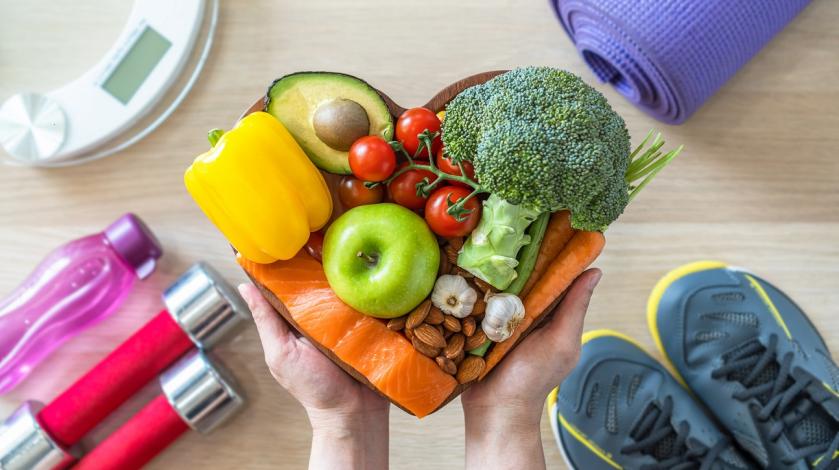
Choose home-cooked meals over processed foods. Clean foods reduce inflammation and support hormone balance.Walk for at least 40 minutes every day
Regular walking improves insulin sensitivity, lowers stress hormones, and supports emotional health.Include green vegetables daily
Spinach, broccoli, kale, bottle gourd, and leafy greens help detox excess estrogen naturally.Stay away from tea and coffee (or minimize)
Excess caffeine increases cortisol, which worsens hormonal imbalance.Choose gluten-free foods when possible
Many women with fibroids and PCOS experience reduced inflammation when gluten is limited.Limit dairy products
Commercial dairy contains growth hormones that may interfere with female hormones.
Other Diseases Linked to Regular Junk Food Consumption
Beyond women’s reproductive health, junk food is linked to:
Fatty liver disease
Heart disease
Stroke
Digestive disorders
Thyroid imbalance
Chronic fatigue
Autoimmune conditions
Poor gut health (which affects immunity and mood)
According to the WHO and CDC, lifestyle-related diseases are now the leading cause of long-term illness worldwide.
A Gentle Reminder
Food is not just fuel—it is information for the body. Every meal sends a signal either toward healing or harm. Our bodies are forgiving, but they remember patterns. When we choose nourishment over trends, healing over aesthetics, and awareness over convenience, the body responds with gratitude.
This journey is not about perfection. It is about conscious living, informed choices, and self-respect.
Healing Beyond Food: Mind, Movement, and Emotional Well-Being
Healing does not come from food alone. Our body listens closely to our thoughts, emotions, and environment. Nutrition experts and mental health researchers increasingly agree that lifestyle diseases cannot be fully healed without addressing emotional and psychological health.
Meditation and Mental Calm
Regular meditation helps regulate stress hormones such as cortisol, which directly affect hormonal balance in women. Studies published in Harvard Health and The Journal of Behavioral Medicine show that even 10–15 minutes of daily meditation can reduce inflammation, improve sleep, and support emotional resilience.
Meditation helps us:
Slow down racing thoughts
Release stored emotional stress
Improve focus and self-awareness
Create a sense of inner safety and peace
When the mind is calm, the body heals better.
Gentle Exercise and Daily Movement
Along with walking, light exercises such as:
Stretching
Yoga
Breathing exercises
Low-impact strength training
support blood circulation, hormone regulation, and emotional stability. Research from the American College of Sports Medicine shows that regular moderate exercise reduces insulin resistance, supports reproductive health, and improves mood.
Movement is not punishment—it is a form of self-care.
Staying Happy Is Not Ignoring Reality
Staying happy does not mean ignoring pain or pretending everything is fine. It means choosing inner balance even when life is difficult. Emotional well-being strengthens our ability to respond to challenges rather than collapse under them.
I firmly believe that when we ourselves are happy, when we carry positivity no matter what is going on, we gain the strength to alter our situations. Happiness gives clarity, patience, and courage. It allows us to make better decisions for our body, mind, and future.
Stepping Away from Toxic Environments
One of the most overlooked aspects of healing is environment. Staying in places—homes, workplaces, or relationships—where we constantly feel unhappy, unheard, or unsafe slowly damages both mental and physical health. Medical studies in Psychology Today and The Journal of Stress and Health confirm that prolonged emotional stress contributes to hormonal imbalance, weakened immunity, and chronic illness.
Sometimes, we do not recognize our own toxic traits either. Healing requires honesty:
Reflecting on our reactions
Letting go of resentment
Learning emotional regulation
Practicing kindness toward ourselves and others
Working on ourselves is not self-blame—it is self-growth.
Becoming a Blessing to Others
When we heal ourselves, we naturally become a source of light for others. A peaceful, emotionally balanced person spreads calm, hope, and strength without forcing it. Positivity becomes contagious.
I truly believe that when we are happy within, we can:
Change our circumstances
Inspire others through our actions
Become a blessing to our families, communities, and society
Healing begins within—but it never ends with us.